Thursday, 7 October 2021

Comparative Study of Psychiatric Disorders in Rhinoplasty Applicants and Control Group in Kerman, Iran During 2017-2018

Comparative Study of Psychiatric Disorders in Rhinoplasty Applicants and Control Group in Kerman, Iran During 2017-2018 by Maryam Amizadeh in Open Access Journal of Biogeneric Science and Research


Abstract

Introduction: Every year tens of thousands of cosmetic surgeries done to change the appearance and increase the level of satisfaction and individual self-esteem that be considered the result of a psychological need. This study done to compare psychiatric disorders in rhinoplasty applicants with control group.

Materials And Methods: The sample of this cross-sectional study were composed of 80 rhinoplasty applicants with control group over a 1-year period.

Results: Of 80 applicants of rhinoplasty, 66.2% were female. The age of 67.5% of them was in the range of 26-35 years. Most of them (53.8%) had bachelor’s degree. The differences of personality pattern between two groups were significant in extroversion, agreeableness and openness aspects. The scale of anxiety and depression between two groups based on the Hamilton anxiety Inventory and Beck Depression Inventory questionnaire was not statistically significant. In compare of Yale symptoms between two groups, obsessions about contamination, physical obsessions and repeating procedures, were statistically significant.

Conclusion: We concluded that extroversion and openness in rhinoplasty applicants was more than the control group. There was no significant relationship between personality traits and obsessive introspection but people with symptoms of obsessive-compulsive disorder, experience more introspective tendencies and negative emotions such as anxiety and depression.

Keywords: psychology disorders; rhinoplasty; Beck depression questionnaire; Hamilton anxiety questionnaire; Yale-Brown obsessive-compulsive questionnaire

Introduction

The beauty is important as one of the components of social status in the evaluation of social situations. The formation of a phenomenon known as plastic surgery perhaps was the greatest possible help to those that were dissatisfied with their appearance [1,2]. During the last 20 years, developments in procedures and details in cosmetic surgery was obtained causing significant benefits to surgeons and patients [3]. Today, cosmetic surgery is accounted as one of the most common surgeries in the world that the utilization of it, is increasing [4]. Since the advances in medical science, make it possible for human to manipulate and change in appearances, there has been many requests for cosmetic surgery among people. On the other hand, mental status and personality of applicants has been also effective in this performance [5]. Based on a report from American society of plastic and reconstructive surgery, numbers of Cosmetic surgeries have grown up about 11.9 percent, from 1997 to 1999, and reached to 4.6 million. A study in 1997 in America has shown that 56 percent of women and 43 percent men dissatisfied with their appearance. A large percentage of youth demand for cosmetic surgery are by the girls. So that 95 percent of applicants for rhinoplasty were women and girls between 14 to 45 years and only 5 percent were men [6,7].

Demand for cosmetic surgeries increased about 80 percent from 70th decade, in our country, too. Because statistics on cosmetic surgeries were not recorded in Iran, thus, they were not exact, and information in this regard was made by estimation. Like most countries, the most common cosmetic surgery is rhinoplasty in Iran and remove facial wrinkles is in second place.

The greatest benefit of a cosmetic surgery is the psychological effects on the patient. Findings of researchers have shown several issues cause that, a human performs a cosmetic intervention, like increased confidence.

Ishioka in a study on 415 patients requesting cosmetic surgery to determine their psychiatry characteristics, found that neurotic disorders, depression, social phobia and inconsistencies between them was more remarkable than other disorders [8]. In this regard, Moss and Harris in 2009 found that before and after the surgery, applicants' anxiety and depression, respectively, were 4.7 and 6.7% greater than control group. Also, they had inconsistencies and disorder in other social aspects and relations [9]. Marsh in 1998 in a study examined the relationship between body dissatisfaction in cosmetic surgery clients with anxiety, depression, social isolation, psychotic disorder, OCD, depression, self-esteem and self-confident [10]. Pritchard and Green in 2003, stated that worry and dissatisfaction about body and preoccupation to change it, is greater among young volunteers of cosmetic surgery [11]. In a study of people who seek cosmetic surgery, after surgery more improvement in interpersonal sensitivity, obsessive and concerns about appearance, assertiveness, self-esteem and social adaptation was observed [12]. Like other specialty in medicine, cosmetic surgery interventions should be placed under careful clinical trials before its application on patients. The boundary between surgery innovation and experiment on humans is ambiguous and should always emphasize the protection of the health and well-being of patients [13]. In this regard, normal mental status in the satisfaction of cosmetic surgery is a central determinant and is more important than surgical technique [14]. In another study in 2009, by Masoudzadeh et al. 50 applicants of rhinoplasty was evaluated using NEO and public health GHQ-28 questionnaire and the results showed that in these patients, the character of openness and extraversion are more and emotional instability and agreements are lower and in general health, there were physical complaints, anxiety, depression and impaired sleep [15]. Attempt to cosmetic surgery in modern society is so widespread that it can even be considered an epidemic event. However, there are only a few comprehensive studies on this surgery in the psychological scope and most research has been based on the results of cosmetic surgery with no controlling groups, this study compared mental disorders in rhinoplasty applicants and control group in Kerman, Iran during April 2017 to April 2018.

Material and Methods

This study is a cross-sectional study using a control group. The study population was all applicants of rhinoplasty admitted to Shafa hospital (Central hospital of cosmetic surgery of Kerman) in Kerman, Iran during April 2017 to April 2018. Sample included 80 people had planned to carry out cosmetic surgery and rhinoplasty and 80 non-applicants that were matched regarding demographic characteristics (age, gender, education level). These individuals were considered as the control group and completed the short form of NEO questionnaire, Beck Depression Inventory, Hamilton Anxiety Scale and Yale Brown obsessive-compulsive symptoms questionnaire. NEO FFI (NEO Five Factor Inventory) is the short form of NEO-PI questionnaire prepared by McCrae & Costa in 1989. The questionnaire contains 68 questions and assesses the following five personality patterns:

  1. Openness (O)
  2. Agreeableness (A)
  3. Nervousness (N)
  4. Conscience (C)
  5. Extroversion (E)

Self-reported Beck Depression Inventory with 13 articles that state the particular symptoms of depression. Any statements of the questionnaire include a scale of four items that are arranged from zero to five and maximum and minimum score of between 0 and 55.

Hamilton Anxiety Scale: This test includes four components, each of which contain a series of symptoms. Each of these components scaled from zero (no symptoms) to four (very severe or disabling). The overall score is 0 to 56.

Yale- brown obsessive-compulsive scale: The scale developed by Goodman and colleagues in 1989 and includes 10 items that examine aggressive obsessions, obsessions about contamination, physical obsessions and compulsions, obsessions washing, cleaning, checking rituals, sexual obsessions and … . Data analyzed by SPSS software and the significance level was set at 0.05 contractually. Ethical committee of Kerman University of Medical Sciences by registered No. 930038 approved this Study.

Table 1: Determination and comparison of the average scores of personality patterns in the two groups.

Table 2: Determination and comparison of anxiety levels in the two groups.
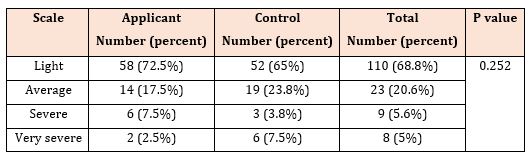
Table 3: Determination and comparison of the frequency of depression in the two groups.

Table 4: Determination and comparison of Yale symptoms and its components in the two groups.

Results

In this study, among 80 applicants of rhinoplasty, 53 individuals (66.2%) were female and 27 applicants (33.8%) were male. Most number of individuals were in the age group between 26-35 years old and there was no individual in the age group of 36-45 years old. Most rhinoplasty candidates had the bachelors' degree (53.8%).

The comparison performed for different personality patterns between control and applicant group (Table 1). The differences between two groups were significant in Extroversion (E), Agreeableness (A) and Openness (O) aspects. There were no significant differences in Nervousness (N) and Conscience (C) between two groups.

As shown in (Table 2), based on Hamilton Anxiety Inventory questionnaire, the two groups have no statistical difference in Anxiety Scale (P.V = 0.252).

According to (Table 3), there are no differences between two groups in terms of depression according to Beck Depression Inventory questionnaire (P.V = 0.84).

In this study, two groups evaluated according to presence and the type of obsessive-compulsive symptoms (80 items Yale-Brown scale checks). Overall, the average scores obtained from the Yale scale in two groups was statistically significant (P = 0.006). In each item the scores were collected and compared with the other groups and there were statistically significant differences (P <0.05), in items obsessive about contamination (Yb), physical or somatic obsessions (Yc), washing obsessions (Yd) and repeating procedures (Yf). (Table 4)

Discussion

This cross-sectional study, compared the 80 rhinoplasty applicants with the 80 other non-applicants as a control group. In a study by Niknam et al. that compared 58 rhinoplasty applicants with 58 controls matched with the case group, the number of women (29 individuals, 58 percent) using cosmetic surgery was more than men (21 individuals, 42 percent) that was consistent with our results. In our study most cases were in the age range of 26-35years which is consistent with the study of Niknam et al. that most cases seeking rhinoplasty were in the range of 26-30 year [16]. In the studies of Afkham and Ghalebandi, and a study by Toutounchi and colleague’s majority of applicants were under 25 years that was not consistent with our study [17,18]. One of the possible reasons for the existence of this contradiction may be differences in the type of surgery and the number of studied samples, gender, age, etc. and other reasons may be due to differences in cultural and social values and beliefs of men and women in different societies.

In the study between the two groups on three-personality factors extraversion, openness (flexibility in the face of experience) and agreeableness there was a significant difference. The applicant group compared with the control group was more extroverted and had less flexibility to experience and agreeableness. In a study by Masoudzadeh and colleague’s personality characteristics, "emotional instability and Agreeableness" was lower in applicant group. This means they had less aggressive features were not hasty and shy and had good tolerance to deal with stress, also it was seen that the personality traits openness and extraversion were more in applicant group than the control. In that study, agreeableness in the applicant group was lower than the control group and characteristics of openness and extroversion in applicant group were more than the control group, which is consistent with our study. Also, in Masoudzadeh study, emotional instability in the applicants was less than the control group, but in our study between two groups, there were no significant difference in the characteristics of emotional instability [15]. In addition, the number of members of the applicant that obtained the average score in the trait of conscientiousness were less than the control group. This group placed on the two ends of the spectrum, this means, more than the control group got high and low-range scores, in fact, the conscience in the applicants in comparison to the control group was not in balance. This difference was statistically significant (P = 0.011), which was in contrast to our study. In our study between the applicants and the control groups was not statistically different in the conscientious trait.

In the Alamdar Saravi study, the most common personality disorder in people seeking cosmetic surgery was narcissism and histrionic personality that characterized with pervasive and widely self-showing and great excitement and attention attraction. Personality trait agreeableness in most individuals in two groups was moderate, the remaining minority, low scores on this trait in the cases was more than the control group, which is consistent with our results [19]. Also, In the study of Ghalebandi, the highest prevalence of narcissistic personality disorder and obsessive traits were in rhinoplasty applicants, which in this people, the agreeableness trait is slightly low, as in consistent with our study [17]. In our study, depression and anxiety disorder in applicants and non-applicants were not significantly different. In our study, independent t-test results showed that, the individuals in applicant group are more obsessive-compulsive significantly. In the present study obsessions of contamination, sexual obsessions and compulsions, washing obsessions and repeating procedures has been more in applicants than the controls. In 2017 study, the personality of cosmetic surgery applicants compared with normal individuals. In this study, the millon II personality disorders questionnaire used. The results showed that statistically significant difference the compulsive personality disorder between the applicants and the controls, so that, the cosmetic surgery applicants are more obsessive-compulsive and it was consistent with our study results [20].

Conclusion

According to previous research results and findings of this study, it concluded that high scores on neuroticism traits, followed by experiencing negative emotions and increasing psychological damage. People with symptoms of obsessive-compulsive disorder, experience more introspective tendencies and negative emotions such as anxiety and depression. Due to the differences in the results of existing studies, it is suggested to perform more studies with larger sample sizes and a broader level of academic medical centers as well as private sectors and in different cities.

More information regarding this Article visit: OAJBGSR

Monday, 4 October 2021

Twiddler’s Syndrome-A Case Report

Twiddler’s Syndrome-A Case Report by Mohamed Shafi* in
Open Access Journal of Biogeneric Science and Research


Abstract

Twiddler’s syndrome is a rare condition characterized by permanent pacemaker dysfunction due to patient’s own manipulation. It happens knowingly or subconsciously. Twiddler’s syndrome is diagnosed in the first year of implantation. The pacemaker failure is due to lead displacement and loss of ventricular pacing. In this case report we would like to present a case of Twiddler’s syndrome which was diagnosed ten days after pacemaker insertion.

Introduction

Twiddler’s syndrome was first described by Bayliss in 1968 as a rare but potentially lethal complications of pacemaker insertion. Patients usually deny any pain or deliberate manipulation of the pulse generator. Continuous reeling of the leads around the generator will cause ipsilateral phrenic nerve to be stimulated and diaphragm will be paced subsequently causing abdominal pulsation. Further lead reeling will cause arm twitching as the brachial plexus is being paced [1].

Case Report

A 73-year-old female presented to our centre complaining of persistent twitching and sense of vibration of the left arm and upper chest. She has undergone a bypass surgery 14 years ago along with closure of sinus venosus and atrial septal defect secundum. A permanent pacemaker was inserted in early January after she was diagnosed with complete heart block [2]. Electrocardiogram on admission shows Left Bundle Branch Block (LBBB). Immediate interrogation of the device showed battery life was 8.5 years, left atrium impedance was 475Ω (ohm), right ventricle impedance was 600Ω (ohm), no sensing noted on the right ventricle while left atrium shows sensing more than 2.8mv.Fluoroscopy performed and noted that right ventricle lead was dislodged and there was a new subcutaneous pocket which is deeper and larger than the original. The pacemaker box and leads were disconnected and repositioned. The box was reattached and anchored to pectoralis major muscle with non-absorbable suture. The deep pocket was closed and downsized using non absorbable sutures. Lastly the wound was closed in layers. The procedure was uneventful and the patient was subsequently discharged well (Figures 1 & 2).

Figure 1: Fluoroscopy picture post ICD implantation.

Figure 2: Fluoroscopy picture Showing contrast fill in the ‘new packet’ created by the patient.

Discussion

Twiddler’s syndrome is a rare syndrome that found mainly in the elderly.Other risk factors associated with it such as having psychiatric illness, obese as well as female gender. Permanent dysfunction of the device is caused frequently by the lead displacement although diaphragmatic pacing might occur through the right ventricle perforations. Majority of Twiddler’s syndrome were reported within the first year of implantation. In the case that we reported the patient was diagnosed Twiddler’s syndrome within 10 days of pacemaker insertion. The earliest reported case was within 17 hours of insertion [3]. Although patient denies any self-manipulation, fluoroscopy shows a large self-created pocket that buried the pacemaker deep and causes lead displacement. Applying multiple dressing over the wound site might prevent device dislodgement. Some faculties do suggest the use of Dacron patch over the device in which overgrowth of tissues might secure the device better. In the case that we reported we downsized the deep pocket using sutures and anchored the pacemaker device on the pectoralis major muscle fibers using non-absorbable sutures. Prior discharge patient was also given proper education on pacemaker care in order to prevent recurrent Twiddler’s syndrome [4-6].

Conclusion

Twiddler’s syndrome is a rare condition that may be detrimental to the patients. It is a preventable condition given if only a small pocket is created, the device is properly fix to the underlying structures and proper education on pacemaker care is given to the patient.

More information regarding this Article visit: OAJBGSR

Thursday, 30 September 2021

Bioinformatics Analysis to Identify of Hub Genes and Pathways in Her-2 Positive Breast Cancer

Bioinformatics Analysis to Identify of Hub Genes and Pathways in Her-2 Positive Breast Cancer by Xinshuai Wang* in Open Access Journal of Biogeneric Science and Research


Abstract

Objective: The aim of this study is to identify key genes and pathways as potential prognostic markers of HER-2 positive breast cancer.

Methods: RNA sequence data with HER-2 positive breast cancer and patient clinic traits were obtained from the Gene Expression Omnibus (GEO) database. The differentially expressed genes (DEGs) were screened by Gene ontology (GO) and KEGG pathway enrichment analysis. Weighted gene co-expression network analysis (WGCNA) and protein-protein interaction (PPI) were performed for the key genes and pathways. The identified hub genes were testified for survival curve using the Kaplan–Meier plotter database.

Results: After removing the outliers from the GSE65212 datasets, 30 HER-2 positive breast cancer samples and 11 normal samples were screened. A total of 628 upregulated and 595 downregulated DEGs were identified in HER-2 positive breast cancer and used to construct the PPI network. 47 modules were constructed by WGCNA, and the genes in the blue module with the threshold (|GS|>0.6) were selected. Nine hub genes were screened out, including AURKA, CCNB1, CCNB2, CENPF, KIF11, KIF20A, MAD2L1, NUSAP and PBK. Among them, only MAD2L1 and PBK were found to be a poor prognostic factor according to survival analysis.

Conclusion: These findings further confirmed the rationality of PI3K/Akt/mTOR inhibitors on the treatment of HER-2 positive breast cancer; and we discovered two novel prognostic markers related to HER-2 positive breast cancer, PBK and MAD2L1, providing new diagnosis and treatment strategies for patients with HER-2 positive breast cancer.

Keywords: HER-2 positive breast cancer, hub genes, key pathways, survival analysis, prognostic markers

Introduction

Breast cancer, as the most commonly diagnosed malignancy, is the leading cause of cancer mortality in women worldwide, according to the Agency for Research on Cancer. It was reported that the incidence rate of breast cancer continued to increase, with an estimated 2088849 new breast cancer cases in 2018 [1]. Different diagnostic and therapeutic methods are required for every subtype, since breast cancer is clinically and histopathologically heterogeneous. Among the subtypes, tumors with positive for human epidermal growth factor receptor 2 (HER2) account for approximately 15% to 20% of breast carcinomas. Due to the higher recurrence and metastasis, the subset of HER-2 positive breast cancer was known to the most aggressive type [2].

With the advent of HER-2-targeted therapy in the late 1990s, the remarkable advances were achieved in the treatment of HER-2-positive breast cancer [3]. Although it has been made a breakthrough on anti-HER2 therapy, because of novo or acquired drug resistance, almost all patients with HER-2-positive breast cancer eventually made progress [4]. The potential resistance mechanisms of anti-HER2 therapy are indeed complex and there is a wide range of mechanisms of resistance may coexist in the same cell. Therefore, exploring novel predictive biomarkers other than HER2 will help us to better select patients and improve their survival.

Numbers of studies have shown that the early stage of HER-2-positive breast cancer was a complicated process, associated with multiple cellular pathways and numerous genes alterations. Additionally, gene expression profiles of various cancers can be obtained from Gene Expression Omnibus (GEO). Based on microarray technology, gene expression analysis is a widely used, high-throughput and powerful research method, which can simultaneously detect expression change of thousands of genes at the mRNA level. In the current study, we aimed to identify the differentially expressed genes and key pathways between cancerous and normal mammary tissues. Bioinformatics analysis including GO term enrichment analysis, KEGG pathway analysis. PPI network analysis and gene co-expression network analysis were performed to discover other potential key genes and pathways in HER-2 positive breast cancer.

Materials and Methods

Acquisition Of Microarray Data And Data Processing

The dataset GSE65212 submitted by Thierry Dubois and based on GPL14877 platform (Affymetrix Human Genome U133 Plus 2.0 Array) was downloaded from the Gene Expression Omnibus (GEO, http://www.ncbi.nlm.nih.gov/geo/) database. The gene expression profile of GSE65212 included 30 HER-2 positive breast cancer samples and 11 normal samples. According to micro-expression matrix chip data, we deleted missing values, processed log2, standardized data and took the probe with the highest average expression to match the probe ID and gene name. Then, we used the screened gene expression matrix data as the data of this study.

Differentially Expressed Genes (Degs) Screening

Statistical software R (version 3.6.1, https://www.r-project.org/) and packages of Bioconductor (http://www.bioconductor.org/) were applied for the significant analysis of DEGs between cancerous and normal mammary tissues. The “limma” (linear models for microarray data) R package was used to screen the DEGs between normal mammary tissues and HER-2 positive breast cancer tissues. The SAM (significance analysis of microarrays) with FDR (false discovery rate) <0.01and |log2 fold change (FC)|≥2 were chosen as the cut-off criteria.

Go Term and Kegg Pathway Enrichment Analysis

Biological significance of DEGs was explored by GO term enrichment analysis including biological process, cellular component and molecular function. KEGG pathway enrichment analysis of DEGs was performed to explore the critical pathways closely related to HER-2 positive breast cancer initiation and progression. We used the “ggplot2” package and “pathview” package (version 1.24.0), which were based on Bioconductor, to make the GO function enrichment analysis and the KEGG pathway enrichment analysis visualization.

Protein–Protein Interaction (PPI) Network Analysis

PPI network was used identify the important gene modules and key genes which are involved in HER-2 positive breast cancer development from interaction level. The STRING database (https://string-db.org/) is an online database for constructing protein interaction networks and analyzing and exploring predicted protein interaction networks. The screened differentially expressed genes were submitted to STRING database (version11). Then, Cytoscape software (version3.7.1) was used for construction of PPI network. MCODE, a plug in Cytoscape, was used for the visual analysis with "Combined score>0.4 and MCODE> 61" as the threshold.

Weighted Correlation Network Analysis of Degs

Gene co-expression network analysis is a systematic biological method to screen highly correlated gene modules for finding candidate biomarkers and drug targets. In this co-expression network, the nodes represent DEGs and the correlated gene expression patterns were defined as connectivity in genes. In short, the excessive value was missing for the first time by detecting outliers and extracting the expression matrix. The soft threshold power was determined through analysis of the network topology. The co-expression similarity and adjacency of genes were sequentially increased using soft threshold power for calculation. Then, the adjacency was transformed into a topologically overlapping matrix (TOM). Finally, hierarchical clustering was performed to select the modules by using TOM and dynamic tree cutting algorithms, and then Go enrichment analysis was performed for the characteristics of gene modules related toHER-2-positive breast tumor.

Survival prognostic analysis

The prognostic value of critical genes was analyzed by Kaplan-Meier plotter. Overall survival for patients with breast cancer was obtained by the Cancer Genome Atlas (TCGA) in Kaplan Meier - plotter (http://kmplot.com/analysis/) database.

Figure 1A:  Volcano map with differential expression.

The red lines represent 628 up-regulated genes and the blue lines represent 595 down-regulated genes.

Figure 1B:  Heat maps of differentially expressed genes.

Figure 2: GO enrichment analysis result of DEGs with |logFC|≥2.

Figure 2A: Cellular component.

Figure 2B: Biological process.

Figure 2C: Molecular function.

Figure 2D: Visualization of KEGG pathway enrichment of DEGs in normal and HER-2 positive breast cancer tissues (showing hsa04151 pathway).

Figure 3A: Sample clustering to detect outliers and the trait heatmap to display the sample traits

Figure 3B: Analysis of the network topology for various soft thresholding powers.

The left panel shows the scale-free fit index (y-axis) as a function of the soft-thresholding power (x-axis). The right panel displays the mean connectivity (degree, y-axis) as a function of the soft-thresholding power (x-axis). The power was set as 4 for further analysis.

Figure 4A: Clustering dendrograms for the 17522 genes with dissimilarity based on the topological overlap together with the assigned module colors. 47 co-expression modules were constructed with various colors. The relationship between gene dendrogram and gene modules was up and down of then image.

Figure 4B: Module–trait relationships. Each row corresponds to a module eigengene, each column corresponds to a trait, and each cell consists of the corresponding correlation and P-value, which are color-coded by correlated according to the color legend. Among them, Blue module was the most relevant modules to the HER-2 positive breast cancer clinical subtypes.(“H” means HER-2 positive breast cancer tissues).

Figure 4C: Visualizing 1,000 random genes from the network using a heatmap plot to depict the TOM among the genes in the analysis. Then depth of the red color is positively correlated with the strength of the correlation between the pairs of modules on a linear scale. The gene dendrogram and module assignment are shown along the left side and the top.( TOM, topological overlap matrix).

Figure 4D: The eigengene dendrogram and heatmap identify groups of correlated eigengenes termed meta-modules. The dendrogram indicated that the Blue module was highly correlated with HER-2 positive breast cancer The heatmap in the panel shows the eigengene adjacency.

Results

Identification of Degs Between Her-2 Positive Breast Cancer Samples and Normal Mammary Samples

After removing batch differences and data normalization, a total of 1226 DEGs were obtained, including 628 up-regulated genes and 595 down-regulated genes based on cut-off criteria (P <0.01 and |logFC|≥2). All abnormally expressed genes with the log2 FC score and -log10 P value were used to generate Volcano diagram in R, which is an intuitive tool to show the overall gene expression level of the DEGs (Figure 1A). The gene expression pattern was consistent with Volcano diagram, as presented in the heatmap (Figure 1B).

Degs GO and KEGG Pathway Enrichment Analysis

GO term enrichment analysis results varied from GO classification and expression change of DEGs. For cellular component, the DEGs were significantly enriched in extracellular matrix, collagen−containing extracellular matrix, spindle, condensed chromosome, centromeric region and condensed chromosome kinetochore (Figure 2A). As to biological process, the DEGs were significantly enriched in mitotic nuclear division, extracellular structure organization, mitotic sister chromatid segregation, regulation of mitotic nuclear division and extracellular matrix organization (Figure 2B). About molecular function, the upregulated genes were significantly enriched in heparin binding, extracellular matrix structural constituent, sulfur compound binding, glycosaminoglycan binding and chemokine receptor binding (Figure 2C). These significantly enriched pathways and terms could help us to further understand the role of DEGs in HER-2 positive breast cancer occurrence and progress. In addition, KEGG pathway enrichment analysis was used to examine the function of the DEGs. The results of KEGG analysis showed that the upregulated genes were significantly enriched in pathways including Neuroactive ligand-receptor interaction, Human papillomavirus infection and PI3K-Akt signaling pathway and so on. (Table 1 and Figure 2D).

Construction of Co-Expression Network

After eliminating the batch effect, WGCNA analysis was performed to identify modules containing highly correlated genes. Sample clustering was used to detect outliers (Figure 3A) and set the power to 4, 47 modules were mined (Figure 3B). Gene co-expression network was constructed to detect genes showing similar trends in the same module (Figure 4A). Among these modules, the blue module was the most closely related to HER-2 positive breast cancer (Figure 4B). 1,000 genes were randomly selected for heat map analysis (Figure 4C). Trait gene trees and heat maps analysis revealed that the tree indicating modules were significantly associated with the clinical phenotype of HER-2 positive breast cancer (Figure 4D). Next, we performed intramodular analysis of genes in 47 modules in GS and MM. The resluts of GS and MM showed a very significant correlation, indicating that genes in the blue module were highly correlated with HER-2 positive breast cancer. Then, the genes in these modules with relevant cut-off value ≥0.6 were selected as the central genes.

PPI Network And Cluster Analysis To Identify Key Genes

Using the STRING online database, 1226 DEGs were filtered into the DEGs PPI network complex containing nodes and edges with a combined score>0.4 (medium confidence). The Cytoscape software was employed to analyze the interactive relationship between the candidate protein and then a cluster containing 74 nodes was selected with a cut-off k-score=2 by the MCODE scoring system. The results showed that the hub genes were the intersections between the initial key genes and the modules highly correlated with phenotypes from the WGCNA.

Survival Prognostic Analysis

To evaluate prognosis value of the potential hub genes with HER-2 positive breast cancer, survival prognosis analysis was performed by Kaplan-Meier plotter. Nine genes (AURKA、CCNB1、CCNB2、CENPF、KIF11、KIF20A、MAD2L1、NUSAP and PBK) were correlated with survival prognosis . Following all the analyses, only MAD2L1 and PBK were closely related to the prognosis of patients (P<0.05).

Table1: KEGG pathway enrichment analysis of DEGs in normal and HER-2 positive breast cancer tissues.

Discussion

Breast cancer is the most frequently diagnosed cancer and the leading cause of cancer-related mortality in women worldwide [5]. HER-2-overexpressing cancer is characterized by a highly aggressive phenotype and associated with metastasis to the lymph nodes and distant organs. HER-2 overexpression is due to the amplification of genes derived from oncogenic signaling in adenocarcinomas including breast cancer [6-8]. At present, anti-HER-2 antibodies, as a molecular target-based therapy, ameliorated the prognosis of HER-2-positive patients.

GO analysis proved that the key genes were enriched in heparin binding, extracellular matrix structural constituent, sulfur compound binding, glycosaminoglycan binding and chemokine receptor binding. According to the KEGG pathway analysis, the differentially expressed genes were enriched in pathways such as neuroactive ligand-receptor interaction, human papillomavirus infection and PI3K-Akt signaling pathway.

The results of KEGG analysis showed that the upregulated genes were significantly enriched in pathways in PI3K-Akt signaling pathway, which is a major signal pathway involved in cellular proliferation, survival, metabolism and motility. This result is consistent with existing researches. PI3K-Akt-mTOR (PAM) pathway is the most frequently altered pathway in human cancers, in which PIK3CA2 and PTEN3 are the most frequently altered oncogenes and tumor suppressor genes respectively. It is estimated that the activation rate of PAM pathway is as frequent as 70% in patients with HER-2-overexpression [9,10]. Resistance to trastuzumab in patients with HER-2-positive breast cancer is associated with higher risk of progression or cancer death, which may be related to the activation of PI3K-AKT-mTOR signaling cascade and the decreased expression level of inhibitor PTEN [11]. Currently, clinical trials of anti-HER2 drugs combined with PI3K/AKT/mTOR inhibitors are undergoing extensive evaluation [4].

Nine hub genes and several pathways were identified by the methods of DEGs and WGCNA. All key genes were selected for survival analysis in the study. However, only MAD2L1 and PBK were significantly related to the prognosis of patients with HER-2 positive breast cancer (P <0.05), which may serve as biomarker for treatment and prognosis. Although there were no significant differences in the survival prognosis analysis of the other seven genes in patients with HER-2 positive breast cancer, it was interesting that there were significant differences among them when we put these key genes in breast cancer patients for survival prognosis analysis, these genes all had statistical differences. We speculated that this may be related to the insufficient sample size of HER-2 positive breast cancer. When the survival prognosis database is expanded, the survival prognosis of the other seven genes may be statistically different. Then we conducted in-depth analysis of the excavated genes from enrichment analysis and found that AURKA, CCNB1, CCNB2, CENPF, MAD2L1 and PBK participated in molecular functions; KIF11 and KIF20A participated in cellular components; NUSAP participated in biological processes.

PBK (PDZ-binding kinase), also known as T-lymphokine-activated killer cell-originated protein kinase (TOPK), is a 322 amino-acid and mitogen-activated serine/threonine protein kinase. PBK/TOPK protein is generally difficult to detect in normal tissues, but frequently elevated in cancer tissues, like breast cancer [12-16]. Furthermore, PBK/TOPK plays vital roles in inflammation, cell apoptosis, and cell-cycle regulation and high expression of PBK/TOPK contributes to tumor growth, proliferation, and metastasis. PBK/TOPK has been repeatedly reported and is correlated with clinical outcomes in various solid cancers [17-22]. In addition, PBK/TOPK acts as an oncogene in multiple cancers and contributes to tumor progression and high expression of PBK/TOPK tends to indicate higher biological malignant aggressiveness [23-26]. Knockout of TOPK could significantly inhibit tumor growth, invasion and metastasis in vitro and in vivo. Conversely, the upregulation of PBK could promote cell growth, metastasis and enhance tumor transformation [24,27,28]. PBK/TOPK also correlates with drug response and tumor resistance, indicating that it is a valid target for anti-neoplastic kinase inhibitors and a potential therapeutic target for various cancers, including breast cancer. Generally, PBK/TOPK, as a candidate molecular marker, exhibits the potential clinical utility for HER-2 positive breast cancer.

Mitotic arrest deficient 2-like 1 (MAD2L1), as a component of spindle checkpoint, plays an essential role in supervising chromosomal segregation during mitosis [29-31]. Dysregulation of MAD2L1 could lead to chromosomal instability and aneuploidy, which might promote formation of human cancers. Overexpression of MAD2L1 has been discovered in several cancers including breast cancer [32,33]. It was reported that the expression level of MAD2L1 in breast cancer was higher than that in normal tissues, and MAD2L1 was associated with malignant progression and poor disease-free survival of breast cancer patients(30). In addition, MAD2L1 expression also associated with HER-2 positive breast cancer. In summary, overexpression of MAD2L1 plays a key role in the development of HER-2 positive breast cancer, suggesting that MAD2L1 can be used as an effective therapeutic and diagnostic marker for HER-2 positive breast cancer. However, this study only verified the overexpression of MAD2L1 in HER-2 positive breast cancer and its clinical significance. It is necessary to further study the molecular basis of the oncogenic impact of MAD2L1 in HER-2 positive breast cancer.

In this study, gene expression profile was obtained from GEO. WGCNA demonstrated that the blue modules displayed the highest correlation with HER-2 positive breast cancer, and nine hub genes including AURKA、CCNB1、CCNB2、CENPF、KIF11、KIF20A、MAD2L1、NUSAP and PBK were identified. Survival analysis revealed that MAD2L1 and PBK in HER-2 positive breast cancer may be a poor prognosis marker. These findings provided the framework for the identification of important gene modules and identified key pathways and driving genes that may be novel therapeutic targets for this disease.

More information regarding this Article visit: OAJBGSR

Monday, 27 September 2021

Prevalence and Associated Demographic Factors of Urinary Incontinence among Women Attending Postnatal Clinics in Primary Health Care In Qatar. A Descriptive Cross-Sectional Study

Prevalence and Associated Demographic Factors of Urinary Incontinence among Women Attending Postnatal Clinics in Primary Health Care In Qatar. A Descriptive Cross-Sectional Study by
Shajitha Thekke Veettil* in Open Access Journal of Biogeneric Science and Research


Abstract

Background: Urinary Incontinence (UI) is more prevalent among women and is a significant health concern which affects the quality of life (QOL) of half of women of middle and older ages. The objectives of this study was to estimate the prevalence of post-partum UI among women attending postnatal clinics in primary care in Qatar and its association with other demographic factors.

Methods: A descriptive cross-sectional study. International Consultation on Incontinence Questionnaire-Short Form (ICIQ-SF) was used to collect data. Continuous data was presented as mean (SD) and ordinal and nominal data as frequency and percentage. Chi square test and direct logistic regression was used for bivariate and multivariate analysis with the help of IBM SPSS Statistics 25 software.

Results: Data of 357 women from 3 post-partum clinics was collected from April 2018 to May 2019. A total of 144(40.3%) women had urinary incontinence at 6-week check-up with 109(75.7%) stating the amount leaked was small. No correlation was noted with age, ethnicity or multi parity. However, a higher risk of UI was noted with BMI. A strong correlation was found in women reporting UI with a history of UI before or during pregnancy. About 221(61.9%) respondents stated they would seek medical help. And the prevalence of UI has no association with other demographic factors, it’s varied among different ethnicities.

Conclusion: UI is highly prevalent among postnatal women (40.3%). The most common type of UI is stress UI 72(50%) followed by mixed UI 43(30%). In Qatari population 19(13.2%) had UI. In Non-Qatari population, out of 28 nationalities, Indians 24(16.7%) and Egyptian 21(14.6%) were noted to have more UI than other nationals. Socio-religious factors have a significant effect on the QOL of incontinent women. A well-designed national health intervention early on in pregnancy can bring about significant benefits and improvement of QOL in postnatal women.

Keywords: Urinary Incontinence; stress urinary incontinence; post-natal clinics; women, Qatar

Introduction

The International Continence Society (ICS) and the International Urogynecological Association (IUGA) criteria defined urinary incontinence (UI) as ‘the complaint of any involuntary leakage of urine. UI classified as stress UI (SUI), urgency UI (UUI), mixed UI (MUI), postural UI, nocturnal enuresis, insensible UI and coital UI. Of these, SUI, UUI, and MUI are most common [1].

The prevalence rate of UI in adult women has shown a wide variation from 5 to 69 % with most studies in the range of 25 to 45% [2]. In the Middle East, the prevalence is noted to be between 30-54.8% [3] with 20.6% [4] and 21% [3] reported among women in Qatar. Pregnancy and childbirth seem to be the most consistent and important factor for the development of urinary incontinence [5]. It may be also associated with several factors such as poor education, physical exertion, changes in body position, urgency, obesity indicated by higher BMI, increased waist-hip ratio, visceral obesity, and diseased conditions such as recurrent urinary tract infection and diabetes mellitus [6].

The complaint of involuntary leakage on effort or exertion, or on sneezing or coughing was defined as stress urinary incontinence (SUI). The complaint of involuntary leakage accompanied by or immediately preceded by urgency was defined as urge urinary incontinence (UUI). The complaint of involuntary leakage associated with urgency and with exertion, effort, sneezing, or coughing was defined as mixed urinary incontinence (MUI). Despite significant impact, less than one half of the women with urinary incontinence seek medical care; instead they rely on absorbent pads or lifestyle changes to cope with the condition. These women may become socially isolated by restricting their interaction with family and friends, avoiding trips outside their homes, or being fearful and embarrassed about the odor of urine [6].

Prevalence of all types of UI in pregnancy varies from 32 to 64%2 with 30% persisting with symptoms in first 3 months of postpartum [7]. Higher rates of depression with low scores on other aspects of quality of life (QOL) involving mobility, physical, mental, emotional, sexual health and relationships have been documented [8]. This descriptive study is to establish the prevalence of UI among postpartum women in Qatar and to check whether any association between the different socio-demographic variables.

Materials and Methods

The study was carried out in accordance with the guidelines of the Primary Health Care Corporation, Research Section, Qatar, after passing through the ethical committee. A descriptive, cross-sectional study was conducted on females attending their 6-week routine post-natal check-up. Participants was selected from three Health Centers representing the three different regions in Qatar providing postnatal clinics between March 2018 and Feb 2019.

A total of 357 women participated in the study after obtaining the consent. A non-probability purposive sampling technique was used where the targeted sample is all post-natal women who are coming for their routine six weeks checkup. The criteria included all healthy postnatal women attending their postnatal clinic check-up. Exclusion criteria were any history of abdominal or vaginal surgery leading to urinary incontinence in the past. The International Consultation on Incontinence Questionnaire-Short Form (ICIQ-SF) was the main study tool used to diagnose and evaluate the severity of UI. It comprises three scored items (Questions 1– 3), frequency of UI (score range, 0–5), usual amount of UI (score range, 0–6), interference with everyday life (score range, 0–10), and a self-diagnostic item (Question 4, not scored). Due to a paucity of any national studies on postnatal UI prevalence and the wide variation in literature, 33 per cent from a systematic review [7] was chosen as the estimated prevalence in Qatar.

General socio-demographic detail was also taken to identify patient characteristics including age, ethnicity, multi parity and body mass index (BMI). A computerised database was used to analyse and compare various parameters. Continuous data were presented as mean (SD) and ordinal and nominal data as the frequency and percentage. Student t-test was performed for continuous data, Chi square test for categorical data and direct logistic regression was used to determine independent risk factors. Data were analysed using IBM SPSS Statistics 25 software.

The type of questions with related scores and socio demographic characteristics are described in table 1 (Table 1).

Table 1: Sociodemographic characteristics of women with and without UI.

Results

A total of 357 women were recruited in the study from March 2018 to February 2019. Among these 144 (40.3%) women confirmed that they had urinary incontinence at the 6 weeks postpartum checkups, whilst 213 (59.7%) women felt that urinary competency was not a major problem (Figure 1). Of these 50 (14%) were Qatari patients while the remaining 307(86%) were non-Qatari. Out of 28 nationalities, Indian (13.4%) and Egyptian (10.6%) were the two other major ethnic group in the study. Among Qatari, 19 (13.2%) had UI. Indian 24(16.7%), Egyptian 21(14.6%) and Yemeni 11(7.6%) were noted to have more UI than other nationalities following with Pakistani 9(6.3%) and Jordan 8(5.6%) postpartum women (Table 2).

Most participants whom experienced urinary incontinence 87(60.4%) were in 30-39-year age group. The majority were multipara 216 (60.5%), followed by primipara 85 (23.8%). Among 213 women without urinary incontinence 99 (46.5%) were multipara and followed by 58(27.2%) with primipara. Among 144 women with urinary incontinence 117 (81.2%) were multipara and followed by 27(18.8%) with primipara (Table 1). An independent-samples t-test was conducted to compare the parity with impact on daily life for women with and without UI. Our results show there was no significant difference in scores for women with UI (2.79± 1.55) and women without UI (m= 2.63, SD =1.65). (P value= 0.4, 95% CI -0.5 to 0.2). However, it was statistically significant when comparing women with UI, P value <0.05 (95% CI -3.4 to 2.6). About 127 (35.6%) participants stated they had urinary incontinence before and during pregnancy. The majority of women 124 (86.1%) stated that they have history of UI before and during pregnancy while 20(13.9%) women with UI confirmed that they don’t have UI before and during pregnancy (Table 2).

Of those affected, 55 (38.2%) had UI at least once a week, while 42 (29.2%) were affected two to three times a week and 47(42%) had more pronounced UI with leaks several times a day or all the time. Majority 109 (75.7%) out of 144 stated that the amount of urine leaked was small and 30 (20.8%) felt it was moderate while 5(3.5%) declared it was a large amount. About 72 (50%) women suffered from stress incontinence and 43 (30%) of them had a mixed type while 26 (18%) had urge incontinence (Table 2). BMI data was missing in 10 of the patients. Majority of 264 out of 347 patients (76.1%) had a BMI of over 25. Only 80 (22.4%) had a BMI between 19-24. With BMI <=25 as a reference, the odds of developing any incontinence and frequent UI was increased by 181% and 28% respectively in overweight women (BMI 25-30). For the obese group (BMI >=30), the odds of developing any UI was increased by 121% and the odds of developing frequent UI was reduced by 47% [9] (Table 3).

Direct logistic regression was performed to assess the impact of several factors on the likelihood that respondents would report that they had a UI. The model contained four independent variables (age, parity, BMI, and history of UI before or during pregnancy). The full model containing all predictors was statistically significant, χ2 (4, N = 357) = 319.5, p < 0.001, indicating that the model was able to distinguish between respondents who reported and did not report a UI. As shown in Table 3, only one of the independent variables made a unique statistically significant contribution to the model (history of UI before or during pregnancy). The strongest predictor of reporting a UI was the history of UI before or during pregnancy, recording an odds ratio of 527.1. This indicated that respondents who had a history of UI before were over 500 times more likely to report a UI problem than those who did not have UI before, controlling for all other factors in the model. Overall, 221(61.9%) women stated that they would seek medical help for their incontinence. Among them around 36 (72%) was Qatari stated that they would seek medical help if they had urinary incontinence (Figure 2).

Table 2: The distribution of frequency of urine leakage, amount of urine leakage and types of urine incontinence in women with UI and association of BMI with UI in total population.

Table 3: Logistic Regression Predicting Likelihood of prevalence of UI.

Figure 1: Prevalence of UI in postnatal women with and without UI.

Figure 2: Seeking medical help among women with UI.

Discussion

Postpartum urinary incontinence is a disorder of incontinence starting before, during and after pregnancy [10]. The usual postnatal follow up appointment in the community after pregnancy was at 6 weeks. 3-40% is the usual prevalence for postpartum UI reported in other studies [7]. The prevalence in this study was 40.3% which was higher than the overall prevalence in Qatar (20.6%4 and 21%3).

In this study stress (50%) and mixed UI (30%) were the most predominant type of UI. The most common type of urinary incontinence in pregnant women is SUI8 which was used as a single case definition in this study to compare prevalence with other studies. A PubMed review on global prevalence found similar results of SUI in China (18.6%) and India (19.2%) [7]. In a multiethnic study in Norway [11], Middle Eastern (36%) and African origin women (26%) had lower rates of SUI compared to European and American women (45%) [12]. Unfortunately, comparison with other studies is challenging since different factors like population, study design including questionnaire types, wordings, data collection methods and mode of delivery have resulted in a wide variation in prevalence [6,12]. However, SUI (as well as mixed or other types) is seen as a higher risk among white women compared to black and Hispanics [13]. USA (60% - 75%), Australia (36.9%) and European countries like UK (59%), Spain (30.3%) and Scotland (54.3%) have a much higher prevalence [7] of SUI.

As in other studies [3,12], majority (75.7%) stated that the amount of urine leaked was small. Parity, BMI, age and mode of delivery are the major risk factors associated with urinary incontinence especially SUI in young and middle aged women14. Increasing number of childbirths increases risk of developing pelvic organ prolapse later in life while obesity increases intra-abdominal pressure resulting in SUI [14]. No association with age (OR 1, p value =0.926) was seen in this study despite majority 60.4% of 30-39-year-old with urinary incontinence making up more than half the participants (55.2%). Nor was any link seen with parity (Odds ratio=1.006, p value = 0.97) considering 60.5% of women were multipara. This was similar to previous studies in Qatar3,4. BMI, however had a higher risk of SUI in this study [15] which was similar to other studies12. Unfortunately, mode of delivery was not included in our questionnaire.

Many women do not take action over UI symptoms [16]. The most significant correlation in our study was the higher likelihood of reporting UI as a problem among women who had a history of UI before or during pregnancy as compared to those who did not have UI before (odds ratio of 527.1). Majority of the respondents (61.9%) in our study including those without UI, would seek medical help. However, comparisons between ethnicities was not possible due to the range in sample size making it hard for any meaningful inference.

The challenges in accurately estimating the prevalence of postpartum UI has been highlighted in many studies due to the nature of the condition [6]. There is a high respondent bias when self-reporting stress incontinence in epidemiological studies especially when the presentation of the consultation is for other reasons [6,14]. There is no test which is universally accepted or which is objective available in the community to define significant incontinence [14]. Many cultures still accept UI as an expected consequence of childbirth [4,16]. Factors such as degree of symptoms [12], embarrassment [16], fear of stigmatisation14, conservative social values4, education3 and role of friends and relatives [16] plays a significant role in the help seeking behavior especially among women from different multiethnic and socio-economic background. There are also limitations to a cross sectional study. Soon after pregnancy, some women may be willing to lie about their symptoms to avoid further interventions and examination [16]. The dynamic nature of UI with high incidence rates along with equally significant remission12 also makes it hard to estimate the true prevalence. SUI in pregnancies can therefore range from 18.6 % to 60 %7 depending on which trimester and time period the studies were done. The reported prevalence is highest in the third trimester, which then gradually decreases in the first year postpartum period [7]. The overall high prevalence of 40.3% in our study at 6 weeks which is similar to 38% in another study at 8 weeks [17] may well change at 3 months with similar values of 30% highlighted in other studies [13].

Conclusion

Establishing prevalence of postpartum UI in the 6-week postnatal period was the initial step to developing future new strategies to empower both women and health professionals to address this important and often overlooked form of maternal morbidity. Among 28 nationalities, our findings confirm that UI is highly prevalent in postnatal women especially SUI which was the aim of the study. A longitudinal study of the same population may have help to differentiate true positives from transitional cases.

Nevertheless, this study does highlight the importance of considering the individuality of a woman in the multi-ethnic large expat population of Qatar in terms of culture, needs, beliefs, attitudes, knowledge and close family support. Further research is recommended on whether knowledge, screening and other interventions early on in pregnancy can bring about significant benefits and improve QOL in postnatal women.

More information regarding this Article visit: OAJBGSR